 ultimate-guide
Benefits of Professional Executive Protection Services
Table of Contents
- What Professional Executive Protection Actually Delivers
- Risk Mitigation Through Executive Protection Risk Assessment
- How Close Protection Prevents Threats Before They Escalate
- Executive Protection Cost Factors and ROI Considerations
- Building a Corporate Security Strategy That Works
- Why Professional Security Details Reduce Legal Exposure
- Choosing the Right Executive Protection Provider for Your Needs
- Frequently Asked Questions
Last Updated: September 21, 2026
What Professional Executive Protection Actually Delivers
Professional executive protection services identify threats before they materialize, create layered defenses across physical and digital domains, and establish protocols that keep high-profile individuals and corporate assets safe without disrupting normal operations.
Professional protection agents conduct vulnerability analysis, monitor threat landscapes, and adjust security posture in real time, preventing situations from escalating to crisis points.
Organizations underestimate how much executive protection happens invisibly. Advance work, site surveys, route planning, personnel vetting, determines whether a detail prevents incidents or responds after they occur. Professional executive protection services deliver measurable risk reduction through systematic planning and disciplined execution.
Risk Mitigation Through Executive Protection Risk Assessment
Vulnerability analysis forms the foundation of credible protection. Professional teams systematically evaluate threat exposure across physical access points, digital footprints, travel patterns, and social media exposure to determine which threats are real.
Professional executive protection services tailor their approach to the actual threat environment rather than applying generic templates. Over-securing creates friction that gets circumvented, while under-securing leaves vulnerabilities unaddressed.
Professional risk assessment identifies gaps in current security posture and prioritizes which to address first based on likelihood and impact.
Digital exposure, social media activity, public calendars, real estate records, creates a detailed picture of executive movements. Professional teams integrate digital threat monitoring with physical security planning, recognizing that cyber and physical threats converge.
How Close Protection Prevents Threats Before They Escalate
Close protection eliminates opportunities before they become incidents by identifying suspicious patterns, controlling access to predictable locations, and varying routines to prevent surveillance.
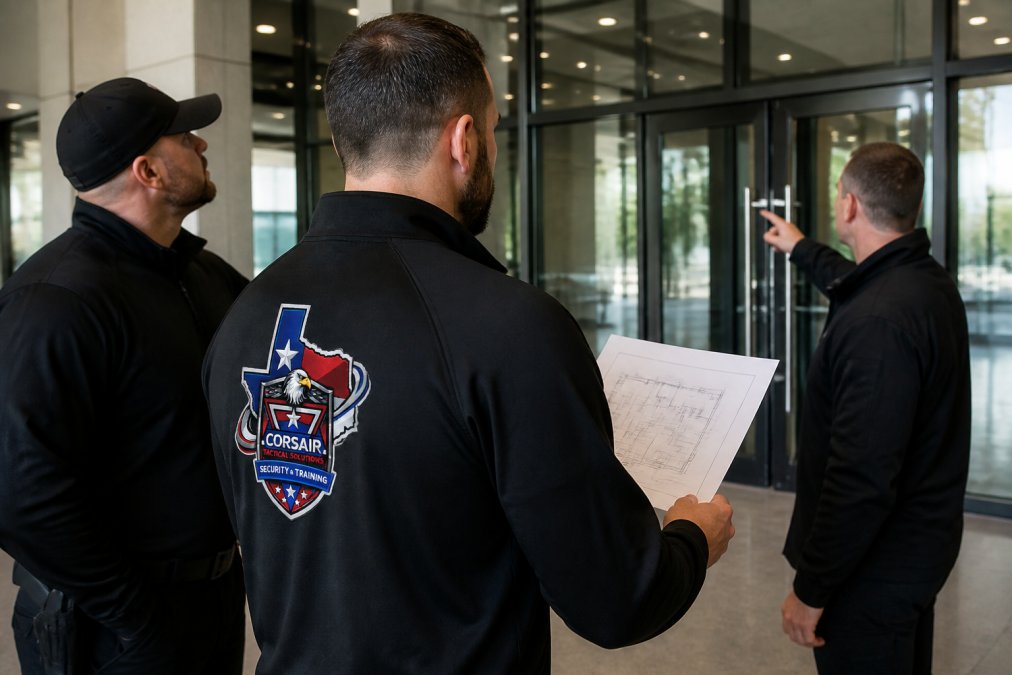
Advance work involves detailed site surveys before executive appearances. Protection agents evaluate sightlines, identify choke points, locate exits, confirm communication systems, and establish secure perimeters days or weeks ahead.
Professional protection agents recognize behavioral indicators untrained personnel miss: surveillance activity, unusual schedule interest, social engineering attempts, and digital reconnaissance. Early detection allows intervention before threats progress.
Communication discipline prevents information leakage. Professional details establish strict protocols about who knows what information and through which channels. Operational security includes compartmentalization of information, secure communication channels, and vetting of personnel with access to sensitive schedules.
The Psychological and Operational Reality of Living Under Protection
Effective protection must address how it affects executive psychology and organizational culture. Executives who experience protection as restrictive often circumvent it, the most dangerous outcome.
Professional protection teams address this tension through several mechanisms:
-
Normalcy preservation: Effective protection operates invisibly. Professional details blend into normal operations so executives can attend meetings, travel, and conduct business without constant security awareness.
-
Autonomy within constraints: Professional teams identify genuine risks and propose mitigations the executive can accept or modify. Rather than forbidding public events, they recommend arriving early, using secure entrances, positioning personnel strategically, and establishing rapid-exit protocols.
-
Privacy protection: Professional teams establish clear boundaries about what information they collect, how it's used, and who has access, building trust while maintaining privacy.
-
Organizational integration: Professional teams integrate with existing staff, communicate clearly about security requirements, and explain the reasoning behind protocols.
-
Threat communication: Professional teams explain specific threat indicators and why precautions address them, allowing executives to make informed risk decisions.
Professional teams design protection that executives accept because it feels reasonable and proportionate. This balance between risk reduction and operational normalcy separates professional protection from security theater.
Executive Protection Cost Factors and ROI Considerations
Professional executive protection services costs depend on threat level, duration, geographic scope, number of principals, and personnel type. Understanding cost drivers and ROI justifies investment.
Threat level drives primary costs.
Protection prevents financial losses far exceeding annual security budgets:
- Kidnapping and extortion incidents average $500,000-$2,000,000 in direct costs (ransom, negotiation, recovery) plus operational disruption. A single prevented incident justifies years of professional protection investment.
- Data theft and intellectual property compromise resulting from executive targeting can cost organizations $1,000,000-$50,000,000 depending on industry and asset sensitivity. Protection that prevents social engineering, physical theft, or surveillance-enabled breaches delivers measurable asset protection.
- Workplace violence incidents involving executives or triggered by threats to leadership create litigation costs averaging $250,000-$1,000,000 per incident, plus reputational damage and operational disruption. Prevention is substantially cheaper than response.
- Operational downtime from security incidents, canceled meetings, travel delays, executive unavailability, costs high-net-worth individuals and organizations $10,000-$100,000 per day depending on business model. Professional protection maintains continuity.
Protection also reduces liability exposure. A documented security strategy demonstrates due diligence if an incident occurs. Insurance carriers recognize this risk reduction through premium adjustments or coverage improvements.
Customized security plans allow organizations to match investment to actual risk. Not every executive needs full-time armed protection. Some require protection only during specific activities or travel. Professional providers structure services to address actual vulnerabilities rather than applying standardized packages that include unnecessary elements. A tiered approach might include:
- Baseline tier: Threat assessment, digital footprint monitoring, and advance work for high-risk travel ($500-$1,500 per month)
- Operational tier: Part-time close protection during business travel and public appearances ($2,000-$8,000 per month)
- Comprehensive tier: Full-time detail with advance security, digital monitoring, and 24/7 availability ($15,000-$40,000+ per month)
The financial case for professional protection strengthens when organizations calculate total cost of risk. A Fortune 500 company with a $500 million annual revenue faces potential losses from executive targeting that dwarf security costs. For organizations in high-threat industries (finance, technology, pharmaceuticals, energy) or geographic regions with elevated risk, the ROI calculation becomes even more compelling.
Building a Corporate Security Strategy That Works
A comprehensive corporate security strategy integrates executive protection with broader organizational security measures. This layered approach, sometimes called defense in depth, ensures that no single failure point compromises safety.
The strategy begins with clear threat identification. What specific risks does your organization face? Are threats primarily external (competitors, activists, criminals) or internal (disgruntled employees, workplace violence)? Does your industry or geographic location create particular vulnerabilities? Professional security teams help answer these questions through structured assessment.
Organizational security protocols support protection efforts. Background screening for employees, visitor management systems, access control procedures, and incident reporting mechanisms all contribute to overall security posture. When these systems work together, they create an environment where threats have fewer opportunities to develop undetected.
Communication planning ensures that security measures don't paralyze normal operations. Executives need to understand security protocols without becoming so constrained that they cannot perform their roles effectively. Professional security strategists help organizations find this balance, meaningful protection that enables rather than restricts activity.
Staff training multiplies the effectiveness of professional protection. When employees understand basic security awareness principles, they become additional layers of threat detection. They can identify suspicious inquiries, recognize social engineering attempts, and report unusual activities that might indicate developing threats.
Why Professional Security Details Reduce Legal Exposure
Organizations face legal liability if they fail to exercise reasonable care in protecting executives and assets. Courts have consistently held that businesses must take foreseeable threats seriously and implement appropriate countermeasures. Professional executive protection services demonstrate this duty of care.
Documentation of security measures provides crucial legal protection. When an organization can show that it conducted threat assessments, implemented professional security protocols, and maintained records of security planning, it demonstrates responsible risk management. This documentation becomes essential if litigation arises following any incident.
Professional security teams understand the legal landscape surrounding protection activities. They know which security measures are legally defensible, which ones create liability, and how to operate within applicable regulations.
Choosing the Right Executive Protection Provider for Your Needs
Not all protection services deliver equivalent value. Organizations should evaluate potential providers based on specific criteria that align with their actual threat profile and operational needs.
Frequently Asked Questions
How does professional executive protection differ from standard security guard services?
Executive protection services focus on proactive threat identification, risk assessment, and prevention rather than reactive monitoring. Protection agents conduct advance work, analyze vulnerability patterns, and coordinate with law enforcement when necessary. Standard security guards typically manage access control and property surveillance. Professional executive protection includes close protection specialists trained in threat detection, protective intelligence, and emergency response protocols tailored to high-profile individuals and corporate assets.
What should I evaluate when assessing executive protection cost factors?
Key cost variables include threat level assessment, duration of protection (full-time, part-time, event-based), number of protection agents required, travel scope, and specialized training needs. Additional factors are advance work and site security assessments, equipment and technology integration, and whether armed or unarmed personnel are needed. Organizations should request a customized quote based on their specific risk profile rather than assuming standard pricing. Pricing depends on quantity, duration, and the complexity of your security posture.
Why is a formal corporate security strategy necessary for executive protection?
A structured corporate security strategy ensures consistent threat mitigation across all business operations, reduces gaps in coverage, and establishes clear protocols for emergency response. It integrates physical security with digital threat awareness, defines roles and responsibilities, and documents procedures that reduce legal liability. A formal strategy also enables organizations to measure security effectiveness, allocate resources efficiently, and demonstrate due diligence to insurers and stakeholders. Without one, protection efforts remain reactive and fragmented.
Can small organizations or mid-sized companies actually benefit from professional executive protection?
Yes. Executive protection isn't limited to Fortune 500 companies. Mid-sized businesses facing industry-specific threats, organizations with high-profile leadership, and companies experiencing workplace violence concerns all benefit from professional assessment and customized protection. Many firms offer scalable services that fit different budgets and threat levels. The key is conducting a proper risk assessment to determine whether your organization genuinely needs full-time close protection, event-based security, or threat intelligence services.